

📌 Executive Summary: Where & How to Sell a Shopify Store Safely
- Where to List Since Exchange Closed: Following the shutdown of Exchange by Shopify, sellers now list on specialized zero-upfront-fee marketplaces like Lunil Marketplace or vetted M&A brokers where investors actively browse Shopify businesses for sale.
- True Valuation Multiples: Established stores typically sell for 20x to 38x average monthly net profit (Seller’s Discretionary Earnings), adjusted for repeat customer rate, ad dependency, and brand defensibility.
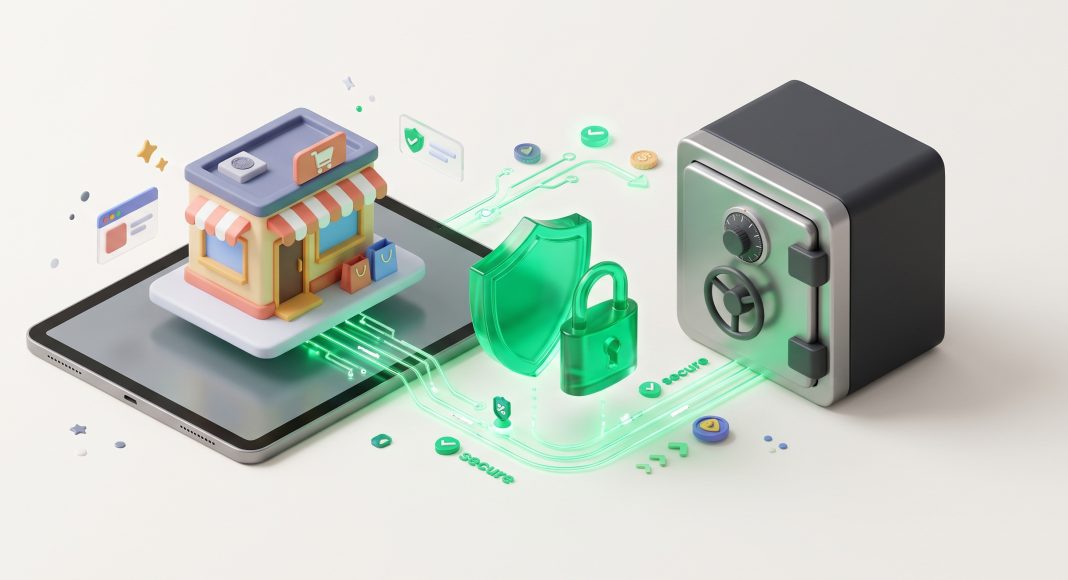
- Secure Handover & Escrow: Never transfer Store Owner permissions or custom domains based on screenshots—lock funds in licensed escrow, sign an Asset Purchase Agreement, and migrate payment gateways cleanly.
Why Investors Are Actively Looking to Buy Shopify Stores
Building an e-commerce brand from scratch requires months of product testing, theme customization, supplier negotiations, and expensive ad spend before hitting predictable profitability. That is why thousands of operators and micro-PE investors go straight to market looking to buy a Shopify store rather than starting from zero.
Whether entrepreneurs want to buy a Shopify business with proprietary inventory or acquire an automated fulfillment brand, ready-made e-commerce assets let buyers skip the “zero-to-one” guesswork. For store owners, this strong buyer demand creates an ideal exit window—provided you know where to list and how to structure the deal.
Where to Sell a Shopify Store (Since Exchange by Shopify Closed)
For years, the default answer to “Shopify buy a store” or “where to sell my shop” was Exchange by Shopify. Since Shopify officially retired its native marketplace, buyers searching to buy Shopify stores or browse Shopify websites for sale have migrated to dedicated digital asset platforms:
| Platform Type | Best For | Fee Structure & Pros |
|---|---|---|
| Lunil Marketplace | Lean D2C brands, niche e-commerce, and profitable starter stores | 100% free listing, direct buyer-seller messaging, escrow-ready workflow. |
| Traditional M&A Brokers (e.g., Empire Flippers, Quiet Light) | Six- and seven-figure e-commerce brands with audited P&Ls | High-touch advisory, but steep 10%–15% success commissions and strict minimums. |
| Generalist Auction Sites (e.g., Flippa) | High-volume listings across all budgets | Large buyer pool, but requires upfront listing fees and heavy buyer screening. |
Avoid Unmoderated Social Groups: While you will see people posting “buy shopify shop” or “shopify buy shop” in Facebook groups and Discord channels, peer-to-peer deals without escrow carry severe chargeback and domain-hijacking risks.
What Buyers Actually Look For When Buying a Shopify Store
To price and position your listing effectively, understand the three distinct buyer segments browsing Shopify business for sale listings:
- Brand Builders Looking to Buy Shopify Businesses with IP: Strategic buyers want trademarked brand names, proprietary packaging, owned inventory, and high repeat purchase rates rather than easily copied products.
- Operators Searching to Buy an Old Shopify Store: Experienced marketers specifically look to buy an old Shopify store (aged 2+ years) because aged domains with clean payment processor histories (Stripe, Shopify Payments) and established SEO backlinks scale ad accounts much faster.
- Lean Entrepreneurs Looking to Buy a Shopify Store (Dropshipping / POD): First-time buyers often search to buy a Shopify store dropshipping model to avoid inventory risk. However, serious acquirers still demand verified supplier relationships (CJdropshipping, Zendrop, private agents) and proven ad creatives—not generic cookie-cutter templates.
How to Value Your Shopify Store Before Listing
Anyone buying Shopify stores values cash flow, not gross revenue screenshots. A store generating $50,000/month in sales while spending $48,000 on Meta ads is worth far less than a niche store generating $12,000/month at a 45% net margin.
- 20x – 26x Monthly Profit: Paid-ad dependent stores, dropshipping catalogs with low repeat order rates, or stores under 12 months old.
- 28x – 38x+ Monthly Profit: Branded D2C stores with strong organic SEO traffic, an engaged Klaviyo email list (>20% of revenue), and documented Standard Operating Procedures (SOPs).
Step-by-Step Guide: How to Sell Your Shopify Store Safely
Step 1: Audit Your Financials & Shopify Analytics
Investors buying a Shopify store will verify every number. Prepare a 12-month Profit & Loss (P&L) spreadsheet breaking down gross sales, refunds, Cost of Goods Sold (COGS), shipping, Shopify app subscriptions, payment processing fees, and ad spend. Be ready to grant temporary Staff Account (read-only) access to Shopify Analytics and Google Analytics 4.
Step 2: Package Brand Assets & Supplier Contracts
- Primary domain name, branded email accounts, and social handles (Instagram, TikTok, Pinterest).
- Raw product photography, UGC video ad creatives, and Canva/Figma brand kits.
- Supplier contacts, wholesale pricing tiers, and 3PL warehouse agreements.
Step 3: Publish Your Listing & Screen Serious Buyers
Create a clear, data-backed listing highlighting your store’s unit economics, Customer Acquisition Cost (CAC), Average Order Value (AOV), and untapped growth levers. Keep your exact URL and supplier names private until prospective buyers sign an NDA or verify proof of funds.
Step 4: Sign the Contract, Fund Escrow & Transfer Ownership
Once you accept an offer from a buyer ready to buy a Shopify business, follow a strict escrow transfer protocol:
- Execute an Asset Purchase Agreement: Use a structured e-commerce sales contract specifying included IP, inventory valuation, non-compete terms, and post-sale training (typically 14 to 30 days).
- Lock Funds in Escrow: The buyer deposits the full purchase price into a licensed escrow provider (such as Escrow.com). Never hand over credentials based on a wire receipt screenshot.
- Transfer Store Ownership & Domain: In your Shopify Admin (Settings > Users and permissions), transfer Store Owner status to the buyer’s email, push the domain to their registrar, and remove your personal banking/Stripe/Shopify Payments details so they can connect theirs.
- Inspection & Payout: After the buyer verifies all assets during the agreed inspection window (typically 3 to 5 days), escrow releases the funds directly to your bank account.
❓ FAQ: Buying and Selling Shopify Stores
1️⃣ Why do so many people search for “buy at Shopify” or “buy on Shopify” when looking for stores?
Many first-time buyers assume you can still buy at Shopify or buy on Shopify directly through an official store directory. Because Shopify discontinued its internal marketplace, both buyers looking to buy Shopify sites and sellers exiting their brands now rely on independent marketplaces like Lunil, Flippa, or specialized brokers.
2️⃣ Can I sell a newly built Shopify store with zero sales?
While some beginners browse “buy store shopify” or “buy a store shopify” listings for pre-built turnkey templates, stores without revenue typically sell for $150 to $800 (covering design and setup time). Generating even 3 to 6 months of consistent net profit dramatically multiplies your exit price.
3️⃣ What happens to my Shopify Payments and Stripe accounts when I sell?
Payment processor accounts are tied to your legal entity and tax ID—they cannot be transferred. Before completing the handover of any Shopify buy store transaction, disconnect your payout bank account and Stripe/PayPal integrations so the new owner can attach their own business entity.
Closing Thoughts: Turn Your E-Commerce Hard Work Into a Clean Exit
Whether you are exiting a bootstrapped dropshipping brand or a high-margin D2C store, you no longer need to pay steep upfront broker fees to connect with qualified investors searching to buy Shopify shops. Clean up your P&L, document your supplier workflows, list on a zero-fee marketplace, and protect the handover with escrow.